Makeup Air Unit Installation Cost Guide
Expect to pay $1,500–$4,500 for a pro-installed makeup air unit. Discover passive vs. tempered options, code triggers, and money-saving decision rules.
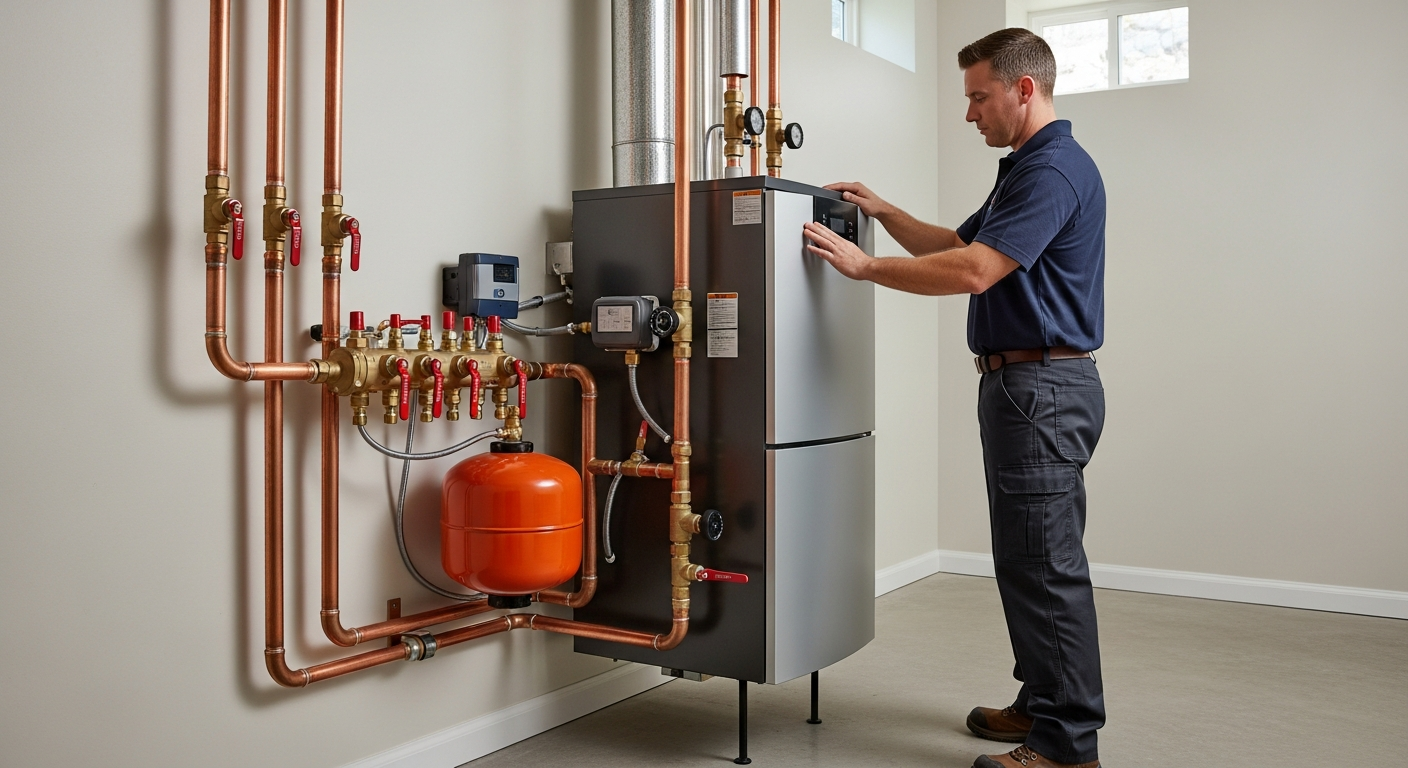
For Most Homes, Choose a Powered Tempered Unit
A powered, tempered makeup air unit integrated with your HVAC system delivers the best comfort, efficiency, and long-term reliability, especially in extreme climates. Passive dampers are a budget stopgap that may pass code but often cause draft complaints.
What Matters Most
- If your range hood exceeds 400 CFM, you likely need a makeup air unit by code.
- Budget $1,500–$4,500 for typical professional installation; get 3 quotes.
- Safety-critical: installation requires a licensed pro—never DIY electrical or structural work.
- Tempered units prevent bone-chilling drafts and reduce the risk of frozen ducts.
- Use HVACDatabase’s free cost estimator and quote checker to avoid overpaying.
Strengths
- Eliminates dangerous backdrafting of combustion gases.
- Balances indoor air pressure, making exhaust fans work properly.
- Can be paired with a smart thermostat for automated control.
- Satisfies building code requirements, protecting resale value.
Weaknesses
- Upfront cost ranges from moderate to significant.
- Tempered units increase electricity or gas consumption.
- Improper sizing leads to energy waste or incomplete pressure relief.
- Passive dampers may introduce unconditioned outdoor air, causing comfort issues.
Makeup Air Decision at a Glance
| Your Situation | Best Choice | Reason |
|---|---|---|
| Range hood >400 CFM, limited budget, mild climate | Passive damper + pressure switch | Meets code at low cost; expect drafts |
| Range hood >400 CFM, cold winters | Powered, tempered unit (electric or hydronic) | Prevents freezing air, protects ducts and comfort |
| New build or full HVAC replacement | Integrated into central duct system | Most efficient; filters and conditions air before distribution |
| Unsure if unit is needed | Hire a pro for a static pressure test | Confirms negative pressure before spending money |
Quick Answer: Makeup Air Unit Installation Cost
Expect to pay between $1,500 and $4,500 for a professionally installed makeup air unit in a typical single-family home. Simple passive dampers can start around $800–$1,200, while high-powered tempered units that integrate with your central HVAC often reach $6,000+. Your final cost depends on equipment type, electrical work, duct modifications, and local labor rates. This guide helps you budget with confidence and avoid overpaying.
What a Makeup Air Unit Does (and When You Need One)
When your kitchen’s powerful 600+ CFM range hood pulls air out of the house, your home can drop into negative pressure. That causes backdrafting—pulling carbon monoxide from your water heater or furnace flue into living spaces—and forces dirty air in through wall cracks. A makeup air unit introduces filtered outside air to replace what’s exhausted, keeping pressure neutral and indoor air healthy. Building codes increasingly require them for any hood over 400 CFM. If you notice doors slamming shut when the hood is on or a persistent musty smell, you likely need one.
Cost Breakdown Table
| Component | Cost Range | What Affects It |
|---|---|---|
| Basic passive damper unit | $300–$700 | Brand, size (typically 6″–10″) |
| Powered damper with fan | $800–$1,500 | CFM rating, integration features |
| Tempered unit (heating/cooling) | $1,500–$3,000 | Electric coil vs. hydronic, climate |
| Labor & installation | $500–$1,500 | Wall penetration, wiring, duct runs |
| Electrical circuit (if needed) | $200–$600 | Separate permit, electrician |
| Ductwork additions | $300–$1,000+ | Length, insulation, complexity |
Editorial estimates; not guaranteed. Use our HVAC cost estimator to refine local pricing.
Safety Boundaries: What You Can and Can’t Do
Homeowner Checks (Safe)
- Inspect filters quarterly—clean or replace if dirty ($10–$30).
- Listen for unusual rattling in the damper when the hood runs.
- Check for backdrafting signs: a carbon monoxide detector alert, smoke or odor near water heater/furnace vents.
- Ensure outdoor intake is clear of leaves, snow, or nests.
Pro-Only Work (Do Not Attempt Yourself)
- Wiring a unit to a 120V/240V circuit—risk of shock or fire.
- Cutting through exterior walls or roof—structural integrity and waterproofing are critical.
- Sizing and connecting ductwork to the HVAC system—incorrect static pressure damages equipment.
- Handling refrigerants or gas lines—illegal without proper licensure.
- Adjusting or repairing gas combustion appliances.
When in doubt, use our contractor search to find a licensed pro, or compare quotes from verified installers.
Decision Rules: Which Type Fits Your Home?
- Your range hood is under 400 CFM and no other large exhausts? You probably don’t need a dedicated makeup air unit—existing natural infiltration may suffice. Test with a professional blower door.
- Budget under $1,500, mild climate? A passive damper with a pressure switch can work, but expect noticeable drafts in winter/summer.
- Live in a cold region (freezing winters)? A powered unit with an electric heating coil or hydronic connection is a must. Without tempering, incoming air can freeze nearby pipes.
- New construction or major remodel? Plan a fully integrated system with a dedicated duct to the return-air plenum. This allows air to be filtered and conditioned before distribution.
- Not sure if you need it? Look for these red flags: range hood sticker says >400 CFM, doors slam when hood runs, exhaust fan backflow odors, or your energy audit identifies negative pressure. Then use our quote checker to compare installer proposals.
Tools to Nail Your Budget
Before you talk to contractors, try these free HVACDatabase tools:
- HVAC Cost Estimator – Enter your location and project scope to see realistic local price ranges.
- Quote Checker – Upload your written estimate and get an instant fairness score.
- Rebate Finder – Many utilities offer incentives for energy-efficient ventilation (up to $500).
Contractor Checklist: 7 Questions Before You Hire
- Are you licensed and insured for HVAC and electrical work in my state? Ask for license number and verify online.
- How will you size the unit? They should measure exhaust CFM and calculate required makeup air flow (usually 80% of exhaust). Watch out for “one size fits all” answers.
- Will you pull a permit? Most jurisdictions require a mechanical permit for cutting into the building envelope and adding electrical.
- Can you provide a commissioning report? Professionals measure actual airflow (CFM) and pressure after installation to confirm performance.
- What warranty do you offer on labor? Aim for at least 1 year; manufacturers often cover parts for 1–5 years.
- Have you installed makeup air units in similar homes? Ask for references or photos.
- How will you prevent condensation and freezing? In humid or cold climates, insulation and vapor barriers are critical.
Local Climate & Home Type Considerations
- Cold climates (e.g., Chicago, Denver): Always choose a tempered unit. Untempered air can cause uncomfortable drafts, freeze pipes in the intake duct, and spike heating bills. Look into hydronic heating coils tied to your boiler for lower operating cost.
- Hot, humid climates (e.g., Houston, Miami): Incoming air must be dehumidified. Pair with a whole-home dehumidifier or ensure it dumps into the HVAC return before the cooling coil. See indoor air quality solutions.
- Coastal or corrosive environments: Request stainless steel or coated components to resist salt air.
- Older homes (pre-1990): Have your ductwork inspected for leaks first. A makeup air unit on a leaky duct system wastes energy. Start with a ductwork inspection and cleaning to seal gaps.
How We Develop Our Cost Estimates
All price ranges are editorial estimates gathered from HVAC contractors, industry pricing data, and regional cost surveys. They reflect typical residential installations and are updated periodically. Final bids will vary by location, season, installer overhead, and specific home conditions. We recommend obtaining at least three written quotes and using our Quote Checker to compare scope.
Frequently Asked Questions
What size makeup air unit do I need?
It should match the exhaust airflow. A common residential setup offsets 300–600 CFM from a range hood. A contractor will measure the hood’s CFM and size the unit to provide 80–100% of that. Oversizing wastes energy; undersizing does not solve negative pressure.
Can I install a makeup air unit myself?
We strongly advise against it. The installation involves electrical wiring, cutting exterior walls, and integrating with existing ductwork—all of which require skill and permits. Mistakes can lead to moisture intrusion, electrical fires, or failed inspections. Hire a licensed pro through our contractor search.
Does a makeup air unit need regular maintenance?
Yes. Replace or clean the air filter every 3–4 months. Inspect the exterior intake for blockages seasonally. Have a pro check the damper operation and electrical connections during an annual HVAC maintenance visit (typically $80–$250).
Will a makeup air unit increase my energy bills?
Possibly: tempered units use energy to heat/cool the incoming air, but they prevent conditioned air from being lost through envelope leaks. A well-tuned setup can actually reduce overall HVAC load by balancing pressure. Expect a modest increase of $5–$20/month depending on climate and usage.
How long does installation take?
Most jobs take 4–8 hours. Complex integrations requiring new ductwork or electrical panels can stretch to a full day. The contractor should provide a timeline during the estimate.
Final Takeaway
Don’t let negative pressure put your family at risk. A properly sized and installed makeup air unit is a code-driven upgrade that protects indoor air quality and home safety. Use our tools, ask the right questions, and get multiple quotes to ensure a fair price.
Methodology
HVACDatabase estimates combine common contractor price patterns, service-category pricing ranges, equipment complexity, urgency, regional labor variation, and known HVAC safety boundaries. Actual prices vary by city, brand, system size, access, warranty status, permit requirements, and whether the visit discovers ductwork, electrical, refrigerant, gas, or drainage issues. Use these numbers to sanity-check quotes, not as a guaranteed price.
Related articles
Connect this page to adjacent guides so readers keep moving deeper into the topic cluster.
Cost to Install Multiple Smart Thermostats
Get a clear cost breakdown for installing 2–4+ smart thermostats. Includes equipment, labor, zoning upgrades, and how to save with utility rebates. Practical checks and contractor questions inside.
Duct Booster Fan Installation Cost
Uneven room temps? Duct booster fan installation costs: register fans $30–$100 DIY, inline fans $500–$800+ with pro. Learn when a booster works and when you need a bigger fix.
Radon Mitigation System Cost Guide
Understand radon mitigation system costs—from system types to labor rates—so you can budget wisely and hire with confidence. Health-safe pricing guidance for homeowners.