Radon Mitigation System Cost Guide
Understand radon mitigation system costs—from system types to labor rates—so you can budget wisely and hire with confidence. Health-safe pricing guidance for homeowners.
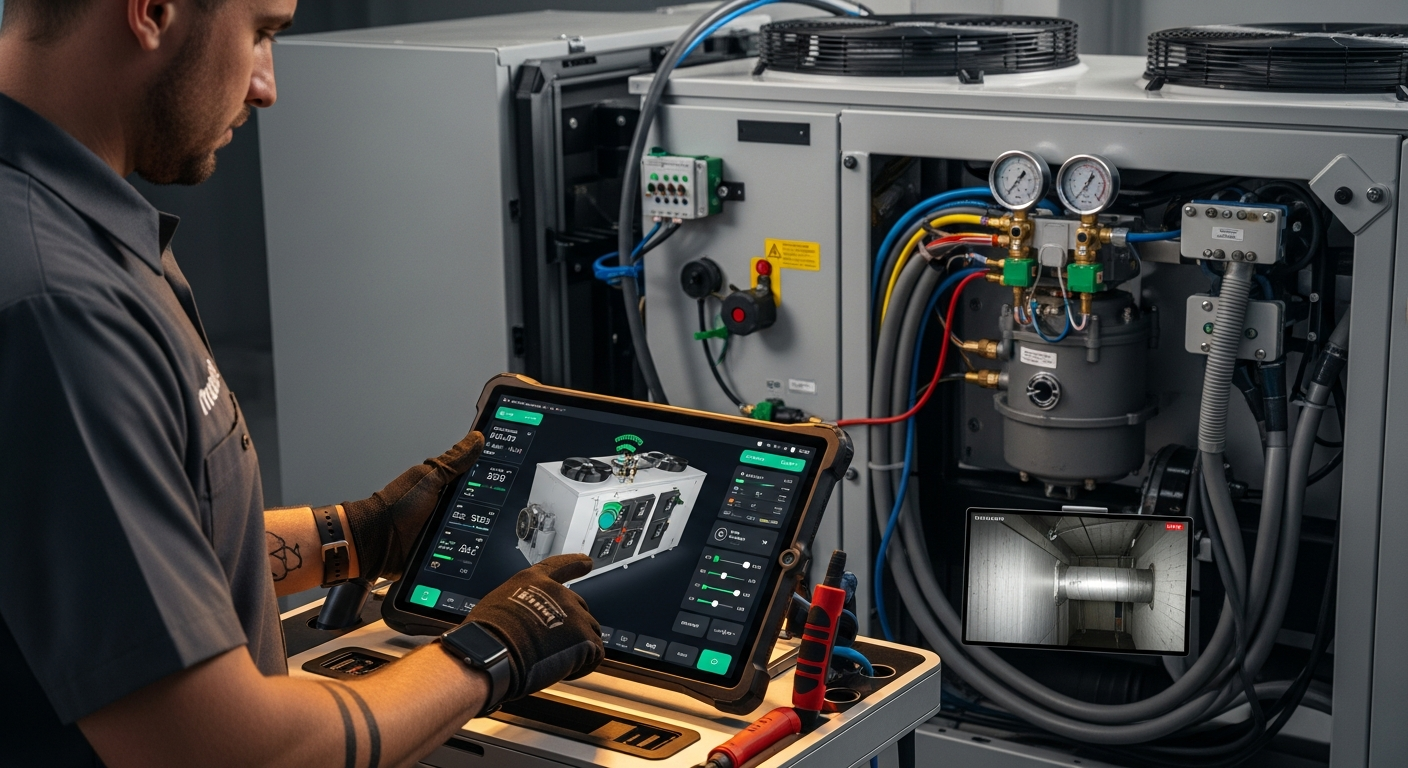
Install a system if your home tests high, and hire a certified pro.
Radon mitigation systems are a proven, relatively low-cost way to significantly lower lung cancer risk. Skip DIY and use this guide to budget, compare quotes, and choose a qualified contractor.
What Matters Most
- Test your home before doing anything else—short‑term kits are cheap and easy.
- Budget $800–$2,500+ depending on foundation type and complexity.
- Only hire NRPP‑ or NRSB‑certified installers; ask the checklist questions.
- Post‑installation testing is non‑negotiable to confirm safety.
- Operating costs are minimal: about $50/year electricity + $300–$600 fan replacement every decade.
Strengths
- Systems are highly effective, reducing radon by up to 99%.
- Relatively fast installation (typically 1 day) with minimal disruption.
- Long‑term peace of mind and increased property marketability.
- Low ongoing operational cost.
Weaknesses
- Upfront cost can be a hurdle for budget‑conscious homeowners, especially with crawl spaces.
- Not all homeowners insurance policies cover the system or related damages.
- Incorrect installation can worsen indoor air quality or cause backdrafting.
- Fans have a finite lifespan and will need replacement.
Decision summary
| Scenario | Usually do | Why |
|---|---|---|
| Radon test ≥ 4.0 pCi/L | Install a mitigation system immediately | EPA action level; lung cancer risk escalates rapidly. |
| Radon 2.0–3.9 pCi/L | Strongly consider installing, especially if smokers or long-term exposure | Risk is lower but still above desirable; many opt for mitigation for peace of mind. |
| System fan over 7 years old or noisy | Replace the fan | Fans lose efficiency and may fail; replacement is cheaper than a full-system rebuild. |
| Buying or selling a home | Test radon; disclose results; if high, negotiate with seller for system credit | Many states require disclosure; a low radon report adds value. |
Radon Mitigation Is a Health Investment, Not Just an Expense
Radon is a radioactive gas that enters homes silently through foundation cracks and soil. It’s the second-leading cause of lung cancer in the U.S., after smoking. The EPA estimates that about 1 in 15 homes has elevated radon levels. A professionally installed radon mitigation system can reduce indoor levels to a safe range—typically for between $800 and $1,500 before any regional or structural adjustments. This guide breaks down real-world costs, shows you how to assess bids, and explains why the price is a small fraction of the long-term health and property value it protects. Start by testing your home (use our cost estimator to project your total budget), then compare vetted contractors through HVACDatabase’s contractor search.
Quick Answer
Average installed cost: $800–$1,500 for a typical single-family home with an active soil depressurization system. What’s included: diagnostic testing, PVC pipe, radon suction fan, wiring, labor, and a post-mitigation test. Key cost drivers: foundation type (basement vs. crawl space), system complexity, fan quality, local labor rates, and any needed crawl space encapsulation. Ongoing cost: about $50–$100 per year in electricity, plus a fan replacement ($300–$600) every 5–10 years.
Factors That Shape the Final Price
No two houses are identical, and radon systems must be sized and routed to fit your home’s construction. Here’s what moves the needle.
| Factor | Lower Cost | Higher Cost |
|---|---|---|
| Foundation | Full basement or slab-on-grade | Crawl space (often requires vapor barrier encapsulation) |
| Pipe Routing | Exterior straight run | Concealed through closets/attics, multiple suction points |
| Fan Type | Standard inline radon fan | High‑static‑pressure or ultra‑quiet fan |
| Electrical Work | Fan plugs into existing outlet | New dedicated circuit or GFCI upgrade needed |
| Post‑Install Testing | Included in bid | Additional long‑term monitoring device ($100–$250) |
| Permits | Not required in all jurisdictions | $50–$200 where required |
| Labor Region | Rural, competitive markets | Urban, coastal, or high‑demand areas |
Common Mitigation Methods and Their Costs
Active Soil Depressurization (ASD): The most reliable approach. A fan draws radon from beneath the slab and vents it outdoors. Typical cost: $800–$1,500. If your home requires multiple suction points or extra-long piping, costs can rise to $2,500.
Sub‑Membrane Suction (Crawl Spaces): For homes with open earth floors, a heavy plastic sheet (membrane) covers the soil, and a fan pulls radon from underneath. Expect to pay $1,200–$2,500 including the encapsulation material and labor. Heat recovery ventilators (HRVs) or energy recovery ventilators (ERVs) can supplement fresh-air exchange, but they are not a standalone radon fix and add $1,500–$3,500 to overall IAQ improvements.
System choice almost always starts with a diagnostic test performed by your contractor—this is included in most quotes and helps avoid guesswork.
Safety Boundaries: What You Can (and Should Never) Touch
Homeowner-Check Zone:
- Use a home radon test kit (short‑term or continuous monitor) to check levels before and after system installation.
- Monitor the manometer (U‑shaped tube) on the vent pipe—unequal liquid levels mean the fan is running; equal levels may indicate a problem.
- Keep the fan running 24/7; turning it off allows radon to re‑accumulate quickly.
- Visually inspect outdoor pipe terminations for debris or ice blockages, and ensure the pipe is securely fastened.
Pro-Only Territory: Never attempt to install, modify, or repair any part of a radon mitigation system yourself. Specifically:
- Installing the suction fan involves electrical wiring that must meet local code—improper wiring can cause fire or shock.
- Drilling through foundation slabs or walls requires specialized sealed piping and can compromise structural integrity if mistakes happen.
- Handling of radon exhaust fans and sealed piping requires knowledge of pressure differentials to avoid backdrafting combustion appliances (like water heaters).
- Always hire a certified radon mitigation professional (NRPP or NRSB) listed in HVACDatabase’s directory.
Decision Rules: When Should You Install a System?
Use these concrete numbers to guide your decision:
- Radon test result ≥ 4.0 pCi/L: The EPA action level. Mitigation is strongly recommended; do not delay.
- 2.0–3.9 pCi/L: Elevated, though below the official action level. Many homeowners choose to install a system for peace of mind, especially if there are smokers in the home or long daily exposure (e.g., finished basement living spaces).
- Below 2.0 pCi/L: Generally considered low risk; retest every 2–3 years or if home renovations change the foundation.
- Fan replacement decision: If your system’s fan becomes noticeably louder, vibrates, or is older than 7 years, plan for a replacement. A repair-or-replace calculator can help you compare costs if the system is failing.
Remember: a post‑mitigation test is mandatory to confirm levels drop below 4.0 pCi/L—and ideally below 2.0.
Contractor Checklist: 7 Questions to Ask Before You Hire
- “Do you hold an active radon mitigation certification (NRPP or NRSB) and applicable state license?”
- “Will you perform a diagnostic pressure‑field extension test before designing the system?”
- “Does your quote include all electrical work, permits, sealing, and a post‑installation radon test?”
- “What is the expected radon level reduction, and do you guarantee it below 4.0 pCi/L?”
- “Where will you place the fan—outside the living envelope (preferred) or inside, and how will you prevent condensation/freezing?”
- “What warranty comes with the fan and your labor? How long is the warranty valid?”
- “Can you provide references from homes with a similar foundation type in my area?”
Compare multiple bids using HVACDatabase’s contractor comparison tool and verify credentials before signing.
Local Factors That Change Radon Mitigation Costs
Your location affects both the radon risk and the installation price:
- Cold climates (Chicago, Minneapolis): Pipes must be routed to avoid freezing; the fan often gets an insulated, heated enclosure. Installation may incur a winter surcharge.
- Humid coastal or flood‑zone areas (Tampa, Charleston): High water tables and moisture require specialized crawl space encapsulation and sometimes a sump pump tie‑in, adding $500–$1,500.
- Dry, slab‑on‑grade regions (Phoenix): Radon risk is generally lower, but when found, systems are often simpler, keeping costs at the low end of the range. Still, don’t skip testing—local geology can surprise you.
- Older homes (Northeast, Midwest): Stone foundations, multiple additions, or dirt‑floor cellars often need extra sealing and custom pipework, pushing costs to $2,000+.
To find a contractor experienced with your local conditions, use HVACDatabase’s search and filter by radon specialty in your area.
Tools to Budget and Compare Quotes
Take control of the financial part with HVACDatabase’s free tools:
- Cost Estimator: Build a rough project budget by selecting your foundation type and system complexity.
- Quote Checker: Upload or enter details from up to three bids to spot fair pricing vs. inflated charges.
- Repair or Replace Calculator: Useful when an aging radon fan is noisier or less effective—decide whether a swap makes financial sense.
- Plus, browse our Cost Guide Hub for related IAQ and HVAC investments.
How We Calculate Our Cost Ranges
Our editorial cost ranges are drawn from:
- Published national and regional survey data from radon industry associations (AARST, NRPP).
- Aggregated installer quotes collected through HVACDatabase’s partner network.
- Current material prices for common radon fan models and PVC piping.
- Labor rate norms adjusted to U.S. regions.
These are estimated ranges, not guaranteed quotes. Each home’s final price depends on on‑site conditions, local demand, and material availability. Always get at least three detailed, itemized bids before committing.
Frequently Asked Questions
How much does radon mitigation cost on average?
The national average is $800–$1,500 for a standard active soil depressurization system. Homes with crawl spaces, complex layouts, or high‑cost‑of‑living areas can see totals up to $2,500 or more.
Does homeowners insurance cover radon mitigation?
Most standard policies do not cover radon system installation because it is considered a home improvement, not a repair. Some insurers may offer a discount on premiums after installation if you provide proof of reduced radon levels. Check with your agent.
How long does installation take?
A typical one‑day job (4–8 hours) for homes with a basement or slab. Crawl space encapsulation adds another 4–8 hours. Expect minor wall or ceiling patching if the contractor routes pipes through finished areas.
What maintenance does a radon system need?
Little: keep the fan running; check the manometer monthly; clean the fan housing and vent cap of debris annually; replace the fan unit every 5–10 years. Post‑installation, retest every two years to confirm performance.
Can I install a radon system myself?
We strongly advise against it. Proper installation requires diagnostic testing, electrical work, sealing around foundation penetrations, and compliance with radon‑specific building codes. Mistakes can make radon levels worse, risk carbon monoxide backdrafting, or create fire hazards. Hire a certified professional; find one through HVACDatabase.
Methodology
HVACDatabase estimates combine common contractor price patterns, service-category pricing ranges, equipment complexity, urgency, regional labor variation, and known HVAC safety boundaries. Actual prices vary by city, brand, system size, access, warranty status, permit requirements, and whether the visit discovers ductwork, electrical, refrigerant, gas, or drainage issues. Use these numbers to sanity-check quotes, not as a guaranteed price.
Related articles
Connect this page to adjacent guides so readers keep moving deeper into the topic cluster.
Cost to Install Multiple Smart Thermostats
Get a clear cost breakdown for installing 2–4+ smart thermostats. Includes equipment, labor, zoning upgrades, and how to save with utility rebates. Practical checks and contractor questions inside.
Duct Booster Fan Installation Cost
Uneven room temps? Duct booster fan installation costs: register fans $30–$100 DIY, inline fans $500–$800+ with pro. Learn when a booster works and when you need a bigger fix.
Makeup Air Unit Installation Cost Guide
Expect to pay $1,500–$4,500 for a pro-installed makeup air unit. Discover passive vs. tempered options, code triggers, and money-saving decision rules.